professor of chemical engineering
priority research area: (Re)EnergyTech
Research achievements
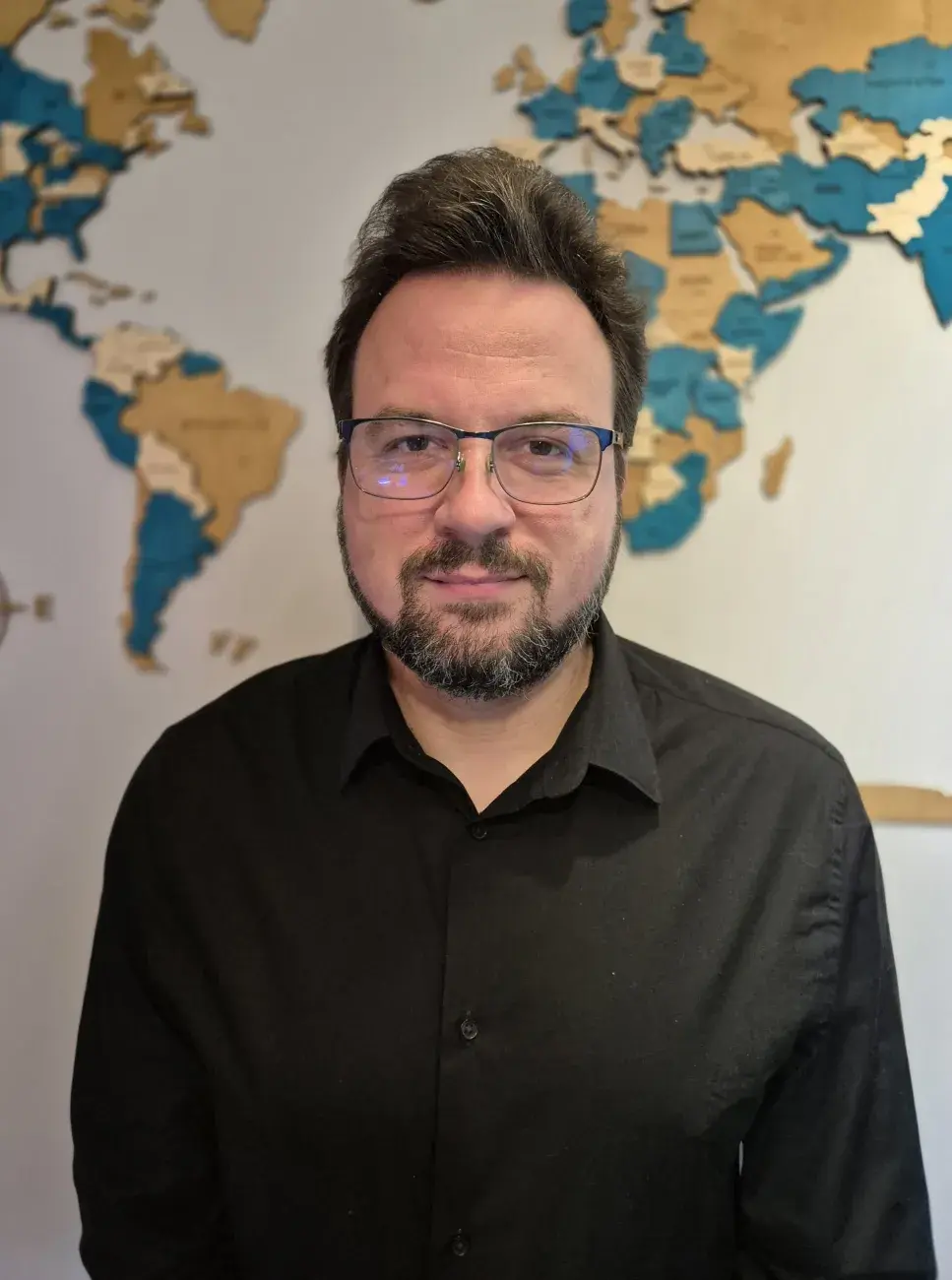
Dr Maciej Jaskulski, DSc, Eng., a professor at the Faculty of Process and Environmental Engineering at Lodz University of Technology, is a specialist in chemical and process engineering whose scientific achievements constitute a key component of research on process intensification and gas separation techniques. In 2019, he was awarded the prestigious EFCE Excellence Award in Drying & Freeze-Drying for his doctoral thesis on CFD modeling of particle agglomeration in spray drying processes. His work on gas absorption modelling (published in publications such as the Chemical Engineering Journal) enables significant reductions in the size of industrial equipment while simultaneously increasing CO₂ capture efficiency.
Research profile and directions
Professor Maciej Jaskulski conducts research on momentum, heat, and mass transfer processes, particularly in spray drying and gas absorption systems employing Rotating Packed Beds (RPBs). His work has a direct impact on improving industrial energy efficiency and reducing carbon dioxide emissions, thereby contributing to key decarbonization objectives. Through his advanced expertise in thermodynamics and fluid dynamics, Prof. Jaskulski brings unique competencies to the university in the field of process intensification, supporting the implementation of the United Nations Sustainable Development Goals, especially those related to energy efficiency and industrial innovation.
Collaboration, implementation and expertise
Professor Jaskulski combines the role of an active researcher with participation in prestigious international scientific communities. He serves as an editor for journals such as Processes and Chemical Engineering and Processing. He was a member of professional organizations including IFPRI and AIChE. He collaborates extensively with industry partners, including Henkel, Nestlé, Procter & Gamble (P&G), Tetra Pak, Prospin, Carbon Value, Carbon Ridge, and Element One Energy, while also participating in international research projects such as NCN OPUS LAP and Horizon Europe initiatives. His activities represent an excellent example of successful knowledge and technology transfer from academia to industry, contributing to the reduction of energy consumption and environmental impact in industrial processes at their source.